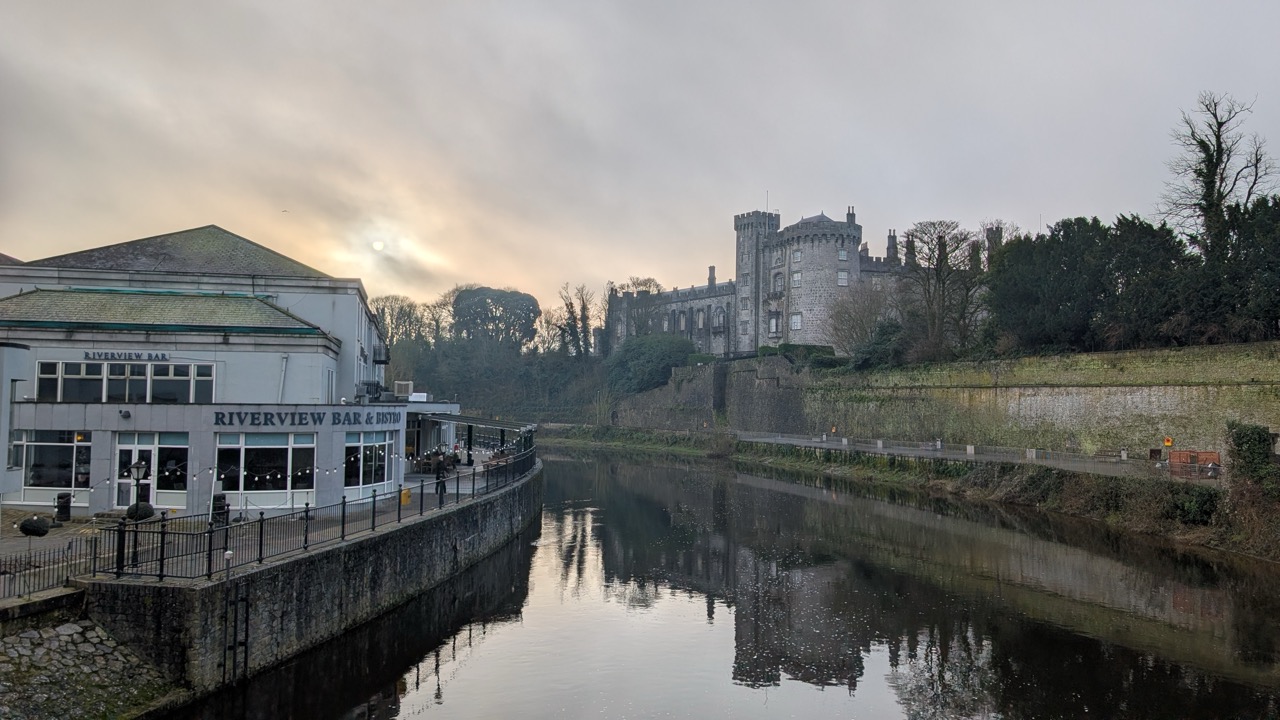
This weekend I took a train (well, multiple trains) to Kilkenny! I learned that kil means church in Gaelic, so Kilkenny means Church of Kenny. St. Canice was an Irish abbot who founded a monastery near the current city of Kilkenny. The nickname for Canice is Kenny, hence the name Kilkenny.
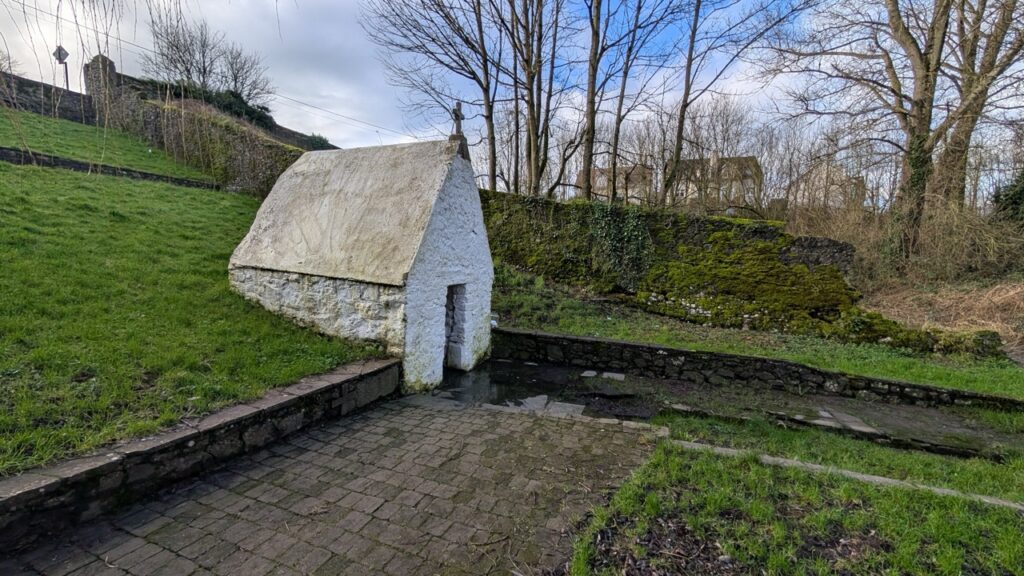
St. Canice is said to have prayed here at Kenny’s Well. Not only was this a vital water source for people in Kilkenny, but the water is connected with miraculous healings.
This is St. Canice’s Cathedral. It has one of only a few round towers in Ireland that can still be climbed to the top today! It was taken over by the Protestant Church of Ireland in the 16th century and remains a Protestant Church today.
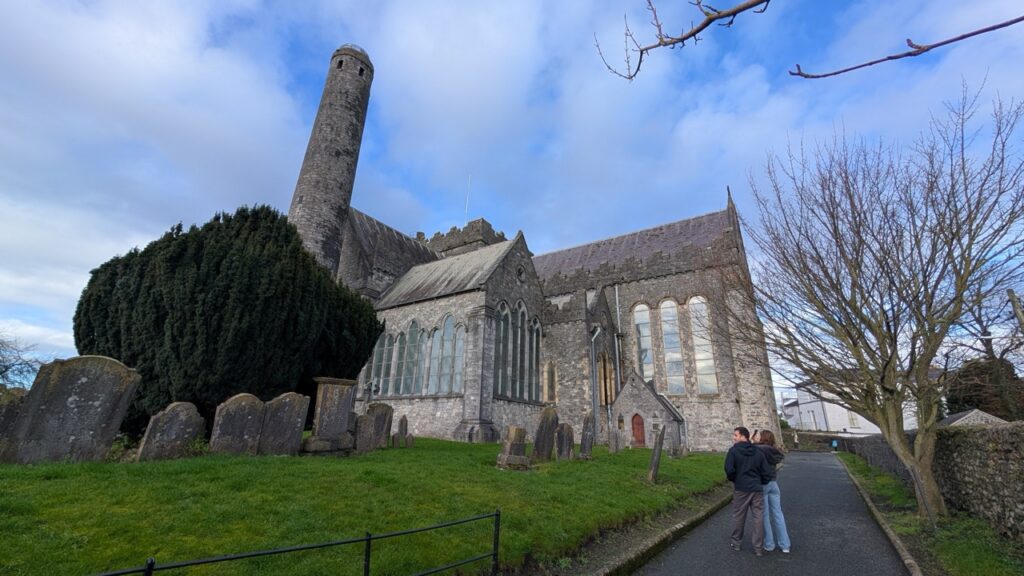
One of the most interesting things I learned while in Kilkenny is that there is both a Catholic and a Protestant version of almost every church. This is because the Protestant Church took over every church in Kilkenny and never returned them. So, the Catholic Church built new churches and gave them all the same names.
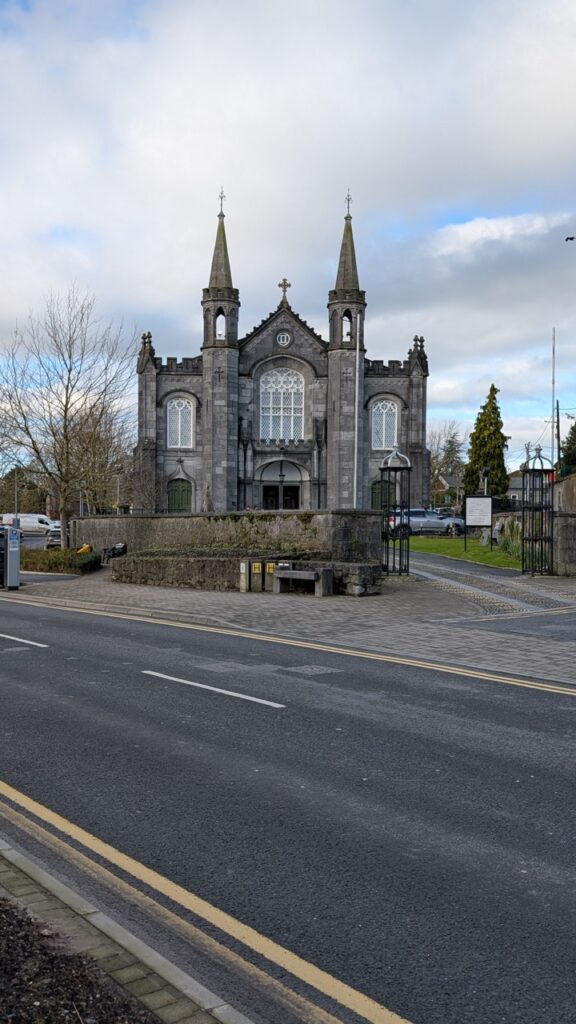
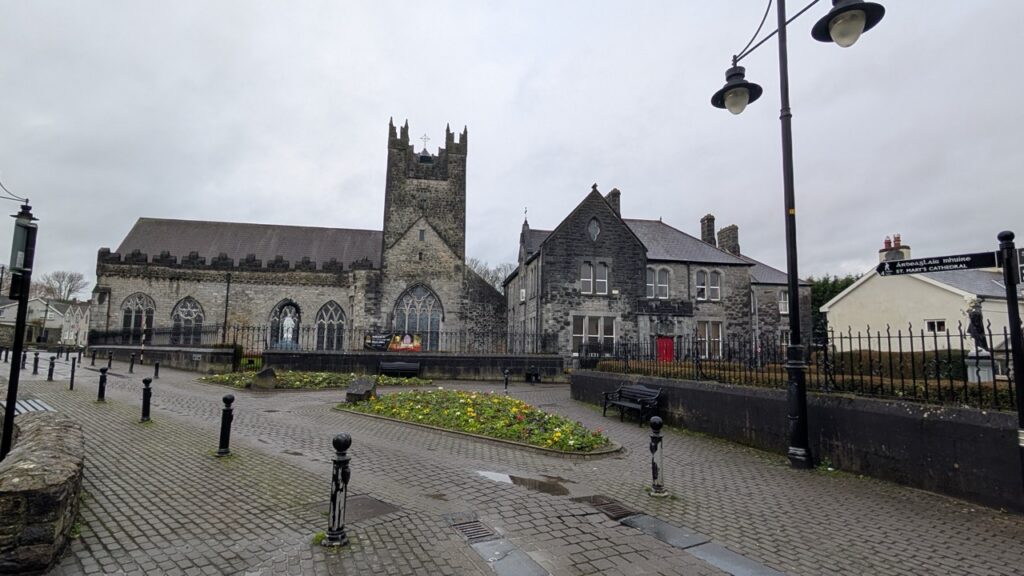
For example, this is the Catholic St. Canice’s. It’s just a block down the street from the original, now Protestant, St. Canice’s.
This is the Black Abbey. It is one of the only houses of the Dominican Order in Ireland. It has the largest stained glass window in Ireland! It depicts the mysteries of the rosary and was quite breathtaking! There was a sign saying no mobile phones, so I didn’t take out my phone to get a photo for you — you’ll have to imagine it (or visit yourself!).
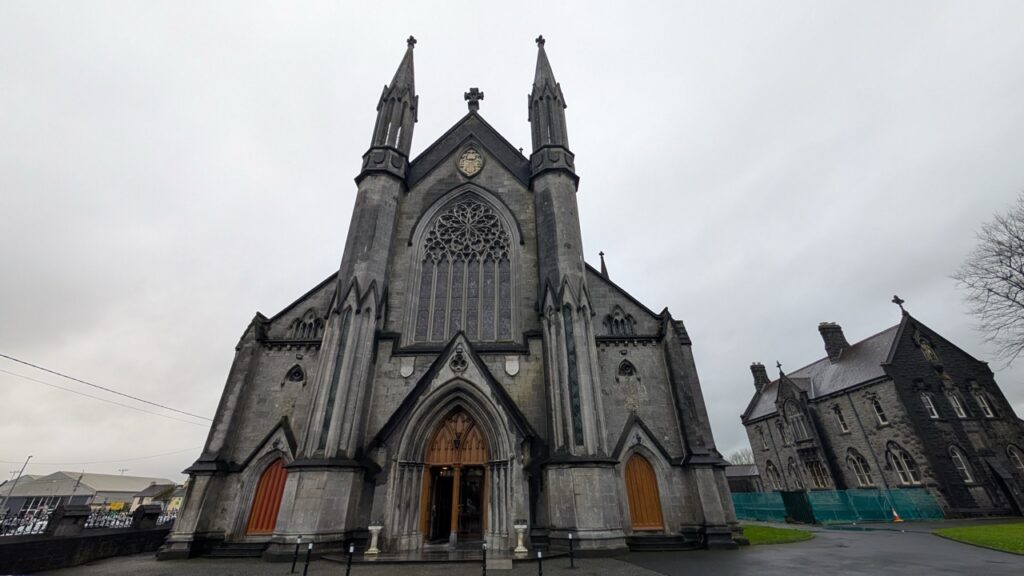
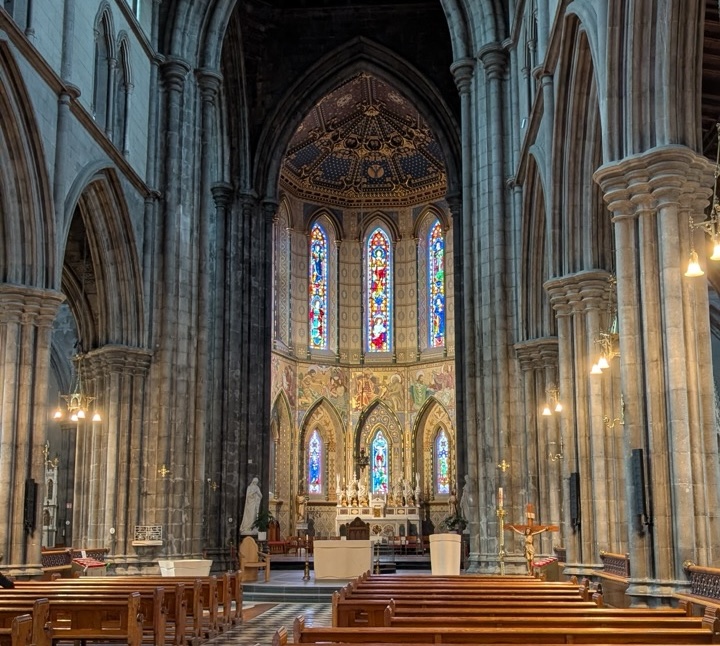
Below are pictures of my favorite of the churches in Kilkenny – St. Mary’s Cathedral! It was so intricately decorate, unlike I’ve seen in any church before. It also had the exact same arches up the center aisle as the Basilica of the Sacred Heart at Notre Dame. I thought it was really cool to see how that element could be carried across time and place!
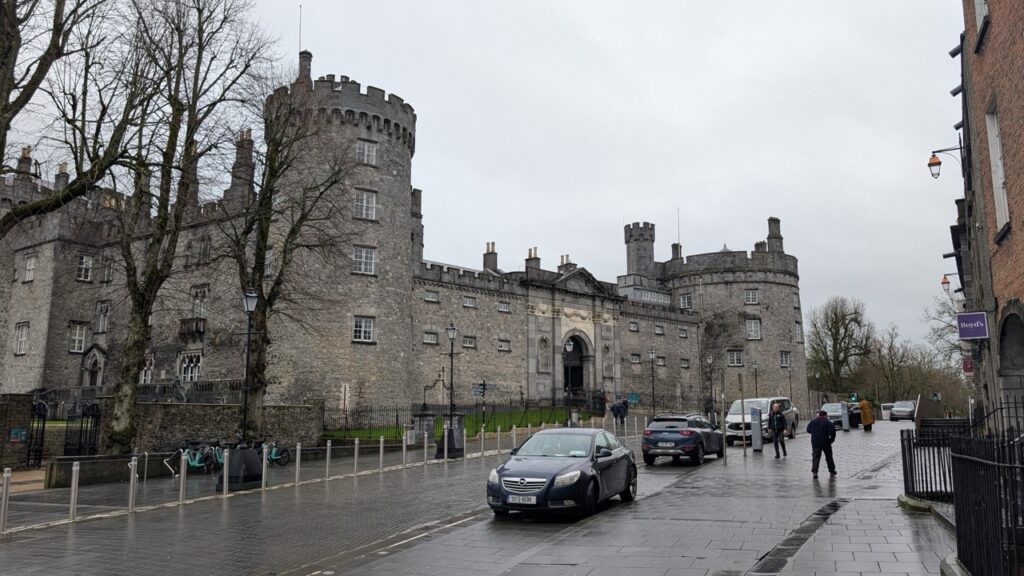
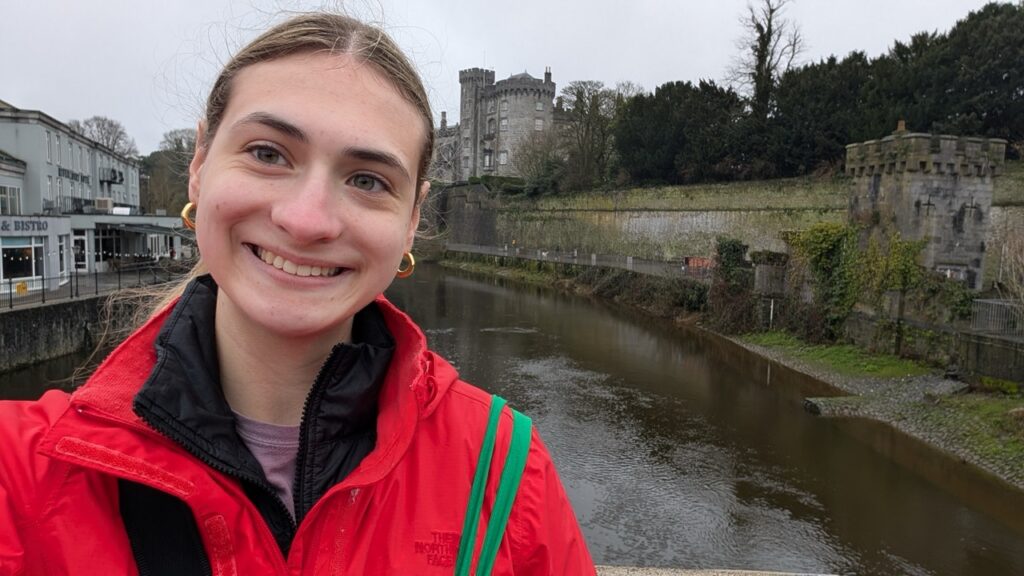
This is Kilkenny Castle. It sits strategically on the River Nore and today, in the center of the city. I found it very interesting how intertwined new and old are in this city.
I think you can really see that in this picture. In the front you see Dunnes, which is an Ireland version of Target, a pretty modern concept. Behind that, the yellow building is Kyteler’s Inn (more on that to follow), a historical building repurposed into a modern pub.
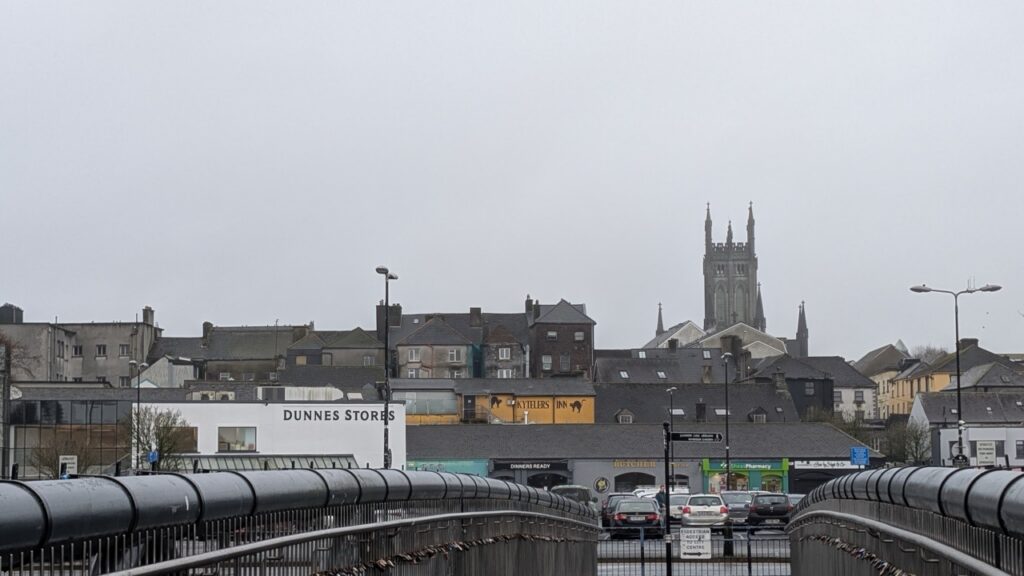
And, in the background, you see St. Mary’s Cathedral, which was built in the 1800s. It’s definitely not the oldest building in Kilkenny, the castle was built in the 1100s and St. Canice’s Cathedral in the 1200s, but I think the picture is still a good example of how integrated the medieval buildings are with the modern city.
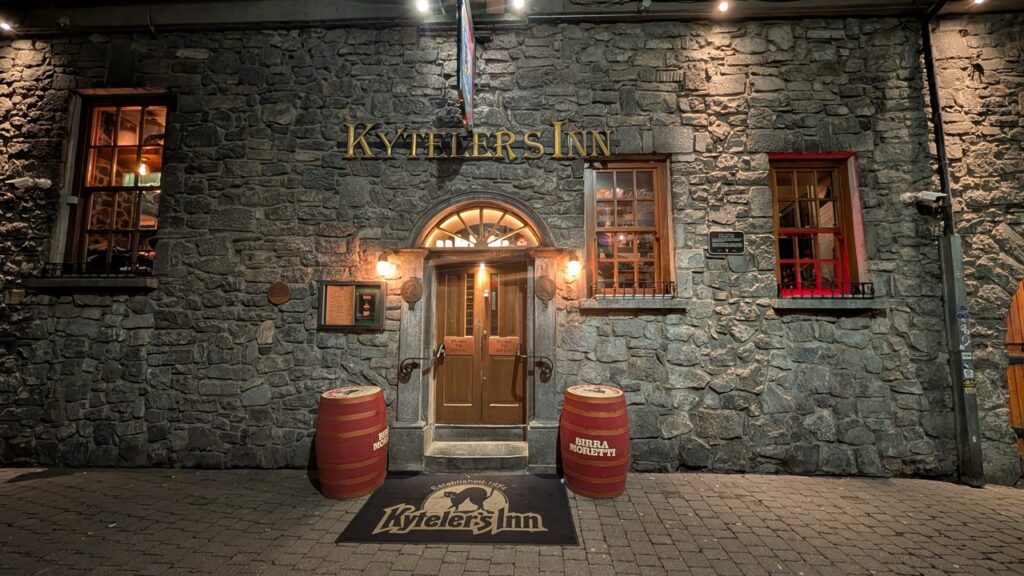
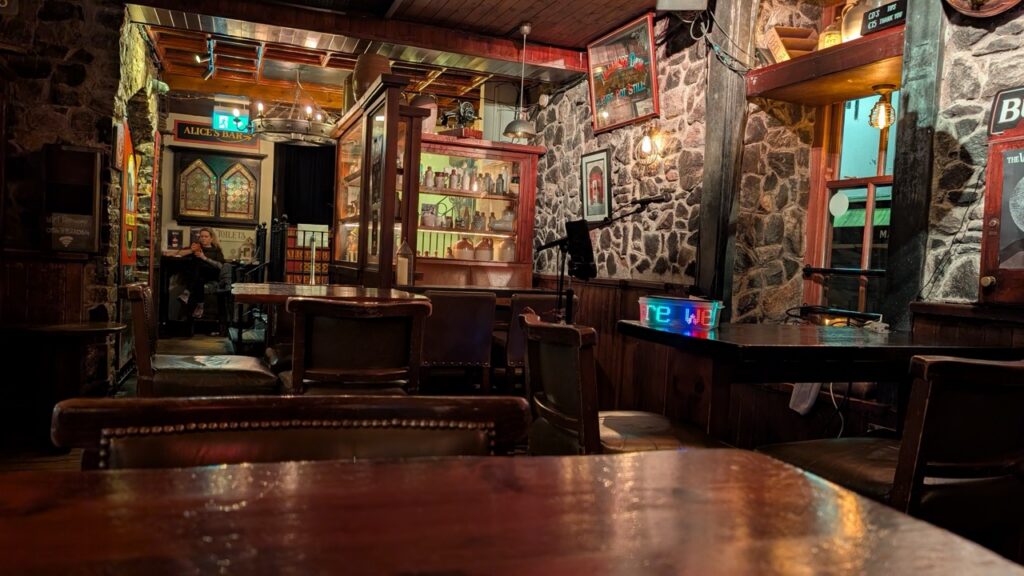
Kyteler’s Inn is another example of combining new with old. Alice Kyteler is said to be Kilkenny’s witch. Four of her husbands died under mysterious circumstances — one’s hair and fingernails turned green! She was convicted by the Catholic bishop at the time of witchcraft and sentenced to be burned alive. She escaped to Scotland and her maid, who was believed to be an accomplice was burned in her place. More than three centuries before the Salem Witch Trials, this is believed to be the first ever trial and punishment of witchcraft in history. Kyteler’s Inn is Alice Kyteler’s former residence and now a lively pub.
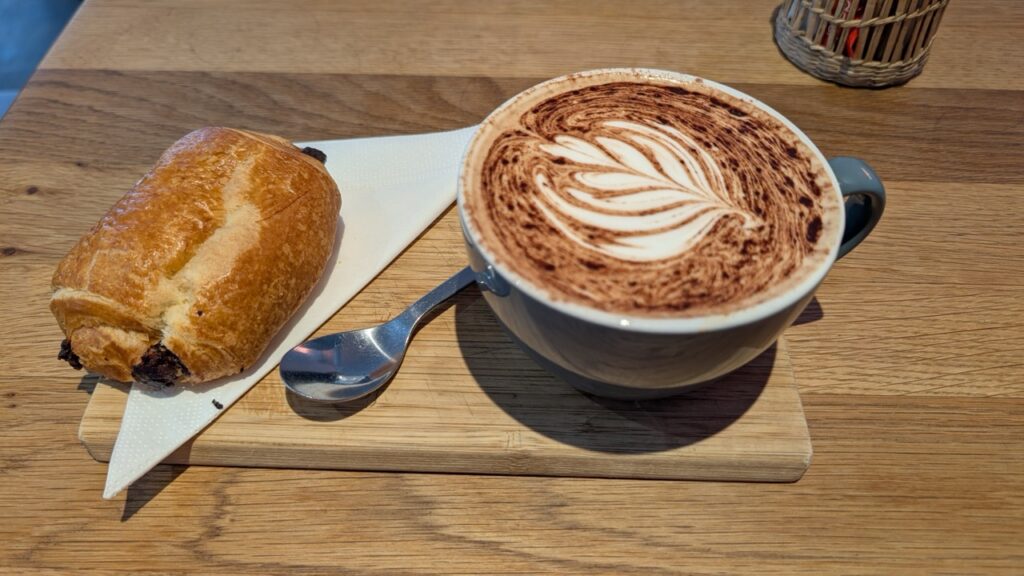
I found another small example of the interweaving of history and modernity in this cafe. (Side note: this was like the best coffee I’ve ever had). This was a very modern cafe –san serif logo, compostable to-go cups, minimalist decor — and yet they displayed a St. Brigid cross above their counter.
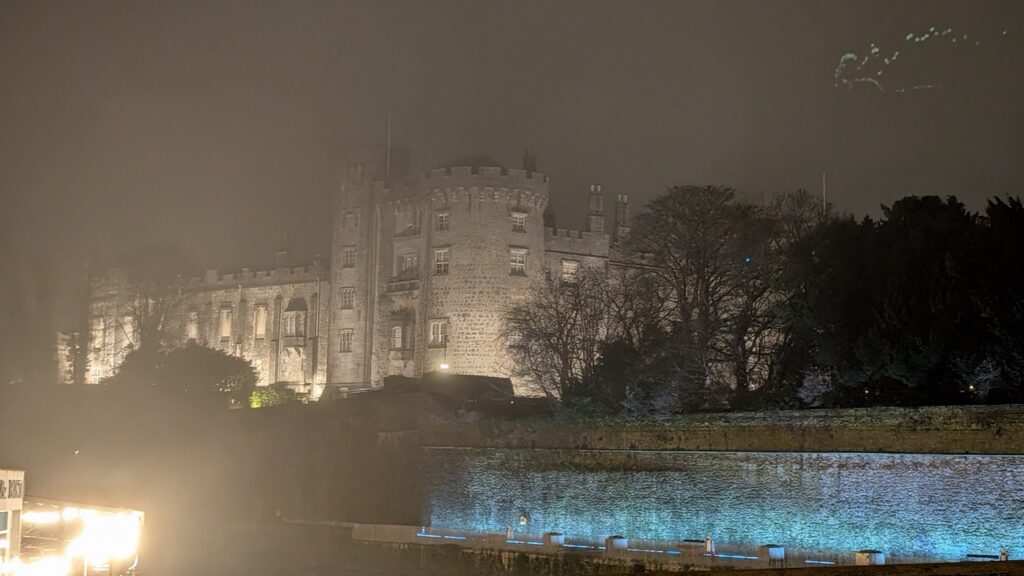
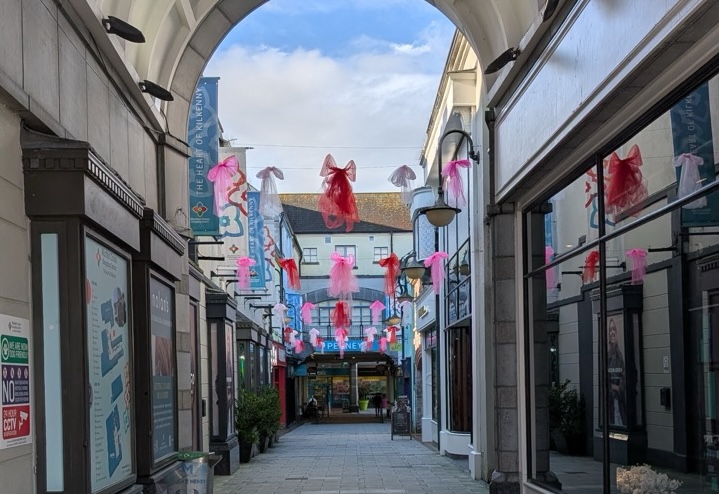
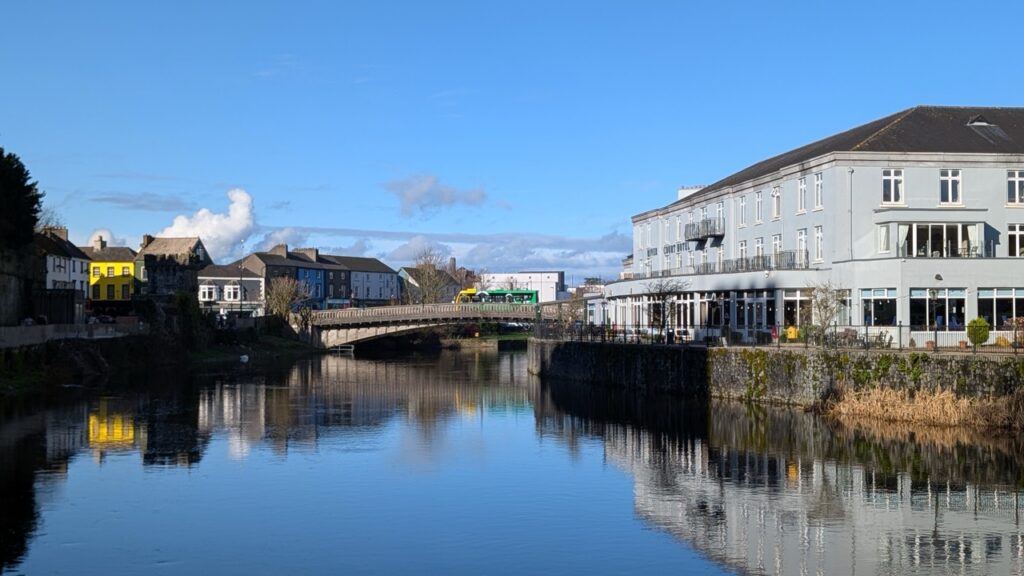
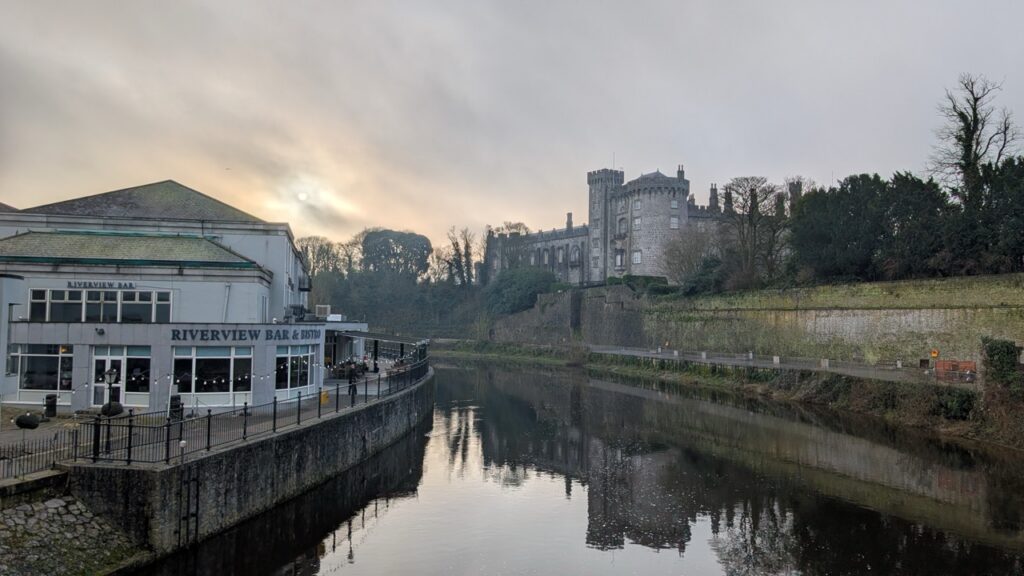
I really enjoyed this trip and I learned a lot about the local history! I would definitely go back! Below are a few more scenic photos for you to enjoy, if I bored you with the history lesson!
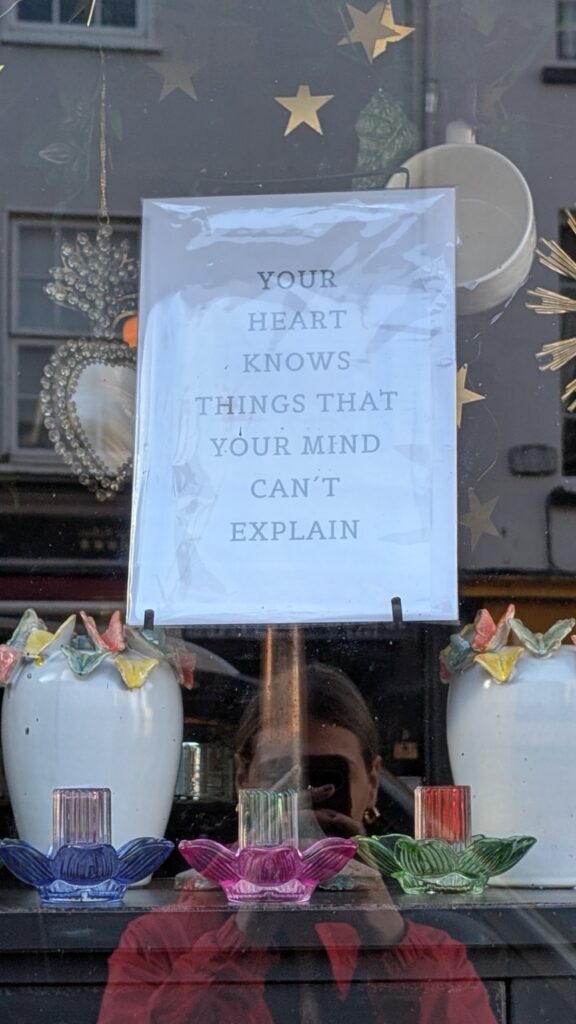
Finally, I passed this sign while walking around and I think it describes how I feel about Ireland in general. I love it here so much, but I can’t really explain what it is that’s stirred my heart.
– From Kilkenny

Leave a Reply